What Is Hetian Jade? Hotan Jade, Nephrite and the Names Explained
What is Hetian jade? Learn how Hetian jade, Hotan jade and nephrite are related, where the stone comes from, and what the name means when you buy.
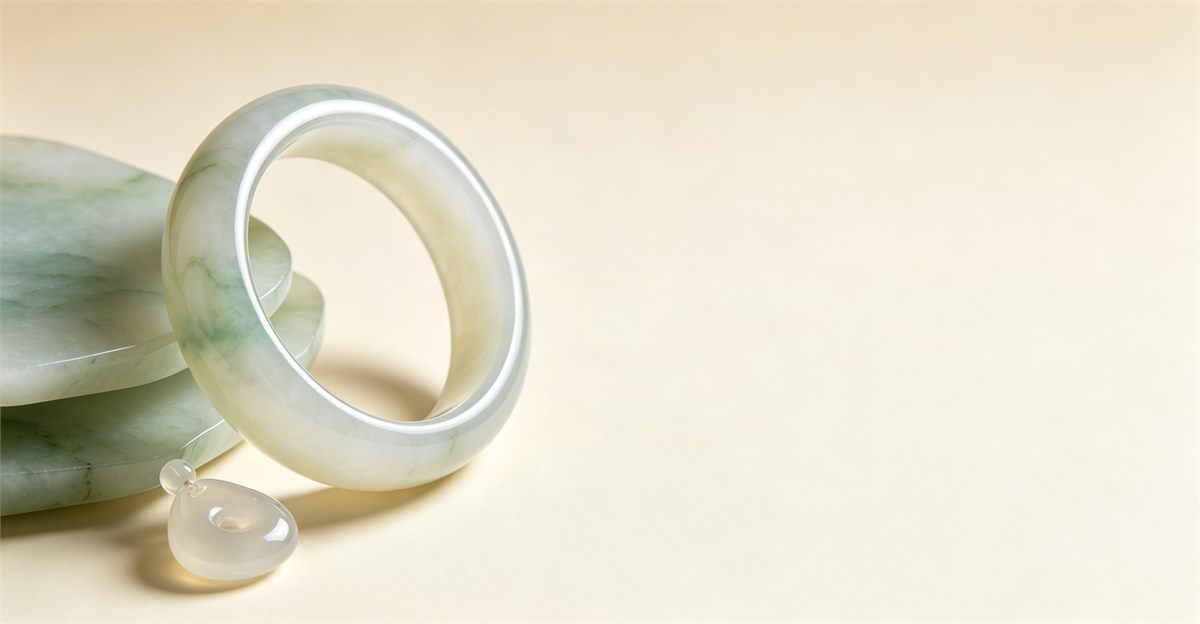
Hetian jade is the trade name for the nephrite jade traditionally associated with the Hotan (Hetian) region of Xinjiang in China. It is a true jade — one of only two minerals, nephrite and jadeite, that gemmology recognises as jade — and it is the stone behind most of Chinese jade history.
The names Hetian, Hotan and nephrite
Hetian and Hotan are two spellings of the same place name. International sellers often write Hotan jade, while Hetian jade is the form closer to modern Chinese pinyin. Both refer to the same tradition of stone from the rivers and mountains around the city of Hotan in Xinjiang.
Mineralogically the stone is nephrite, a felted intergrowth of tremolite and actinolite fibres. That structure is what gives Hetian jade its legendary toughness and its warm, slightly greasy lustre. The other true jade, jadeite, is a chemically different mineral best known from Myanmar.
What the stone is made of
Nephrite is a silicate rich in calcium and magnesium. Its colour comes from iron and other trace elements: more iron tends toward green, while the whitest material carries very little. The finest white Hetian jade is dense, slightly translucent and oily-looking rather than chalky.
Because the mineral fibres lock together like felt, nephrite is one of the toughest gem materials known. It resists breaking better than many harder stones, which is one reason bangles and carvings have survived from ancient China to today.
Where Hetian jade comes from
The classic sources are the Yurungkash and Karakash rivers near Hotan, whose names mean white-jade river and black-jade river. Pebbles worn smooth by the rivers are called seed material, while stone cut directly from mines is called mountain material. Both carry the Hetian name, but they are valued differently.
Nephrite with a similar mineral identity is also mined in Qinghai, Russia and Korea. Honest sellers describe the source of each piece; the name Hetian jade alone does not tell you where a particular stone was dug.
What the name means when you buy
For buyers, the practical meaning of Hetian jade is a promise of material type, not a certificate of grade. Ask what the stone is, where it is described as coming from, whether it has been treated, and whether testing documents are available for the individual piece.
A reputable seller answers those questions plainly. The name should open the conversation, not replace the evidence.
This guide is general buying education. It is not an independent laboratory report or an appraisal. Confirm the facts of the individual piece before payment.
Frequently Asked Questions
Is Hetian jade real jade?
Yes. Hetian jade is nephrite, one of the two minerals recognised as true jade, together with jadeite. It is real jade in the strict gemmological sense.
Is Hetian jade the same as nephrite?
Hetian jade is a nephrite. The name describes the stone associated with the Hotan region rather than a distinct mineral, so every genuine Hetian jade is nephrite, while not every nephrite is Hetian jade.
Why is Hetian jade so famous?
It has been carved in China for thousands of years, was used by the imperial court, and combines toughness with a warm, waxy lustre. The rarest white tone, mutton-fat white, is among the most admired stones in Chinese culture.
Is every white jade a Hetian jade?
No. White nephrite also comes from other regions, and other white stones are sometimes described loosely as jade. Confirm the material and source with the seller and any certificate.