Seed Material or Mountain Material? Xinjiang Hetian Jade Origins Explained
What do seed material (ziliao) and mountain material (shanliao) mean for Hetian jade? Learn how river origin shapes quality and price before you buy.
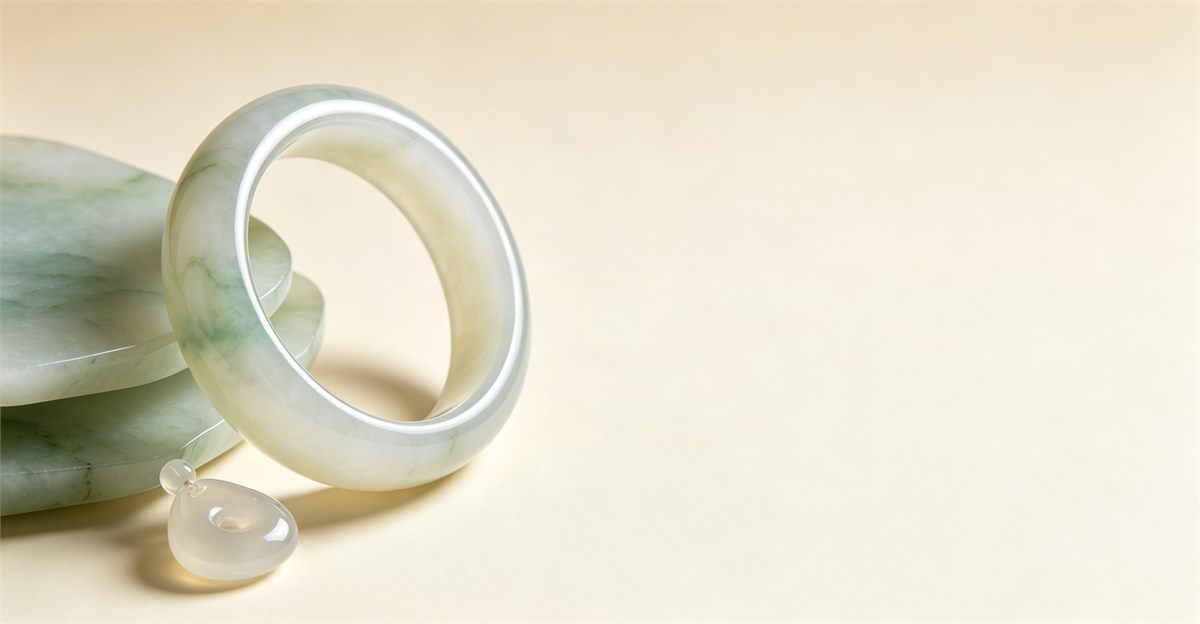
Seed material and mountain material describe how a piece of Hetian jade left the ground. Seed material is stone worn into pebbles by the rivers of Hotan; mountain material is cut from the mine itself. The difference is real, it affects price strongly — and it is often claimed loosely, so it deserves a careful check.
What the two terms mean
Seed material (ziliao) is nephrite carried by the Yurungkash and Karakash rivers, rounded and smoothed over enormous time. Mountain material (shanliao) is stone mined directly from the deposit, with angular form and less natural rounding. A third, intermediate form is called mountain-stream material.
The terms describe origin and history, not colour. Seed material exists in white, green, sugar and black, just as mountain material does.
Why seed material is prized
Rivers are brutal sorters. Weak or cracked stone is broken away in transport, so what survives as a river pebble tends to be dense and structurally sound. Seed pieces often carry a natural weathered skin, which carvers use as a design element and collectors value as evidence of origin.
Because river supply is limited and harder to mine at scale, seed material typically costs several times more than mountain material of similar colour and size.
How origin claims are checked
A natural seed skin looks irregular and organic, wrapping edges and hollows. Artificial skin is usually too even, too shiny or painted into convenient places. Origin can also be described on a laboratory certificate, though wording varies by laboratory.
The practical question for buyers is not the label but the evidence: ask how the origin was determined and whether it is stated on the certificate for the individual piece.
What to pay for
Pay for what you can see and verify. A fine mountain-material piece with excellent carving can easily be better value than a mediocre seed piece bought for its label. Judge the stone first, then treat origin as the tie-breaker.
When origin matters to you — for collection or gifting — choose pieces whose seed claim is supported by visible natural skin or a certificate, and budget accordingly.
This guide is general buying education. It is not an independent laboratory report or an appraisal. Confirm the facts of the individual piece before payment.
Frequently Asked Questions
What does seed material mean?
Seed material (ziliao) is Hetian jade worn into pebbles by the rivers around Hotan. The river transport rounds the stone and tends to leave only the densest, soundest material.
Is mountain material lower quality?
Not automatically. Mountain material is usually less expensive, but individual pieces can be excellent. Judge the visible stone and carving first, then use origin as a tie-breaker.
What is the natural skin on seed jade?
It is the weathered outer layer of a river pebble, often left partly on the carving. A natural skin is irregular and organic, and it is treated as evidence of river origin.
How can I verify an origin claim?
Ask how the origin was determined and whether the certificate describes it for the individual piece. Visible natural skin and a verifiable report are the strongest support.